
The Digital Bridge: Why File Conversion is Essential for Workplace Efficiency
Published on 15 Agustus 2026

Struggling with unopenable files or restricted system uploads?
Discover why digital file conversion is the ultimate key to professional productivity and cross-platform compatibility.
In the modern corporate and creative landscape, data transmission is the lifeblood of daily operations. Millions of documents, images, and spreadsheets are generated and shared across global networks every single hour. However, this massive flow of information frequently hits a frustrating digital wall: format incompatibility.
Every software developer, corporate enterprise, and operating system utilizes specific file extensions tailored to their own private environments. When these files are shared across different platforms, users often encounter unopenable attachments, broken text layouts, and corrupted graphic designs. To survive in a fast-paced professional environment, file conversion is no longer just a technical luxury—it has become an essential bridge for universal digital access.
The Cost of Rigid Document Ecosystems
Operating within a single, rigid file ecosystem creates silent productivity drains for businesses and freelancers alike. For example, a raw text document created in a specialized word processor may lose its font styles, margin alignments, and embedded tables when forced open on a competitor's operating system.
Similarly, submitting a complex project proposal or creative portfolio in an editable format leaves your intellectual property vulnerable to accidental modifications or severe rendering errors on the recipient's screen. These technical friction points do not just waste valuable working hours; they can actively damage your professional credibility during time-sensitive applications, official government bids, or client presentations.
Breaking Barriers with Universal Interoperability
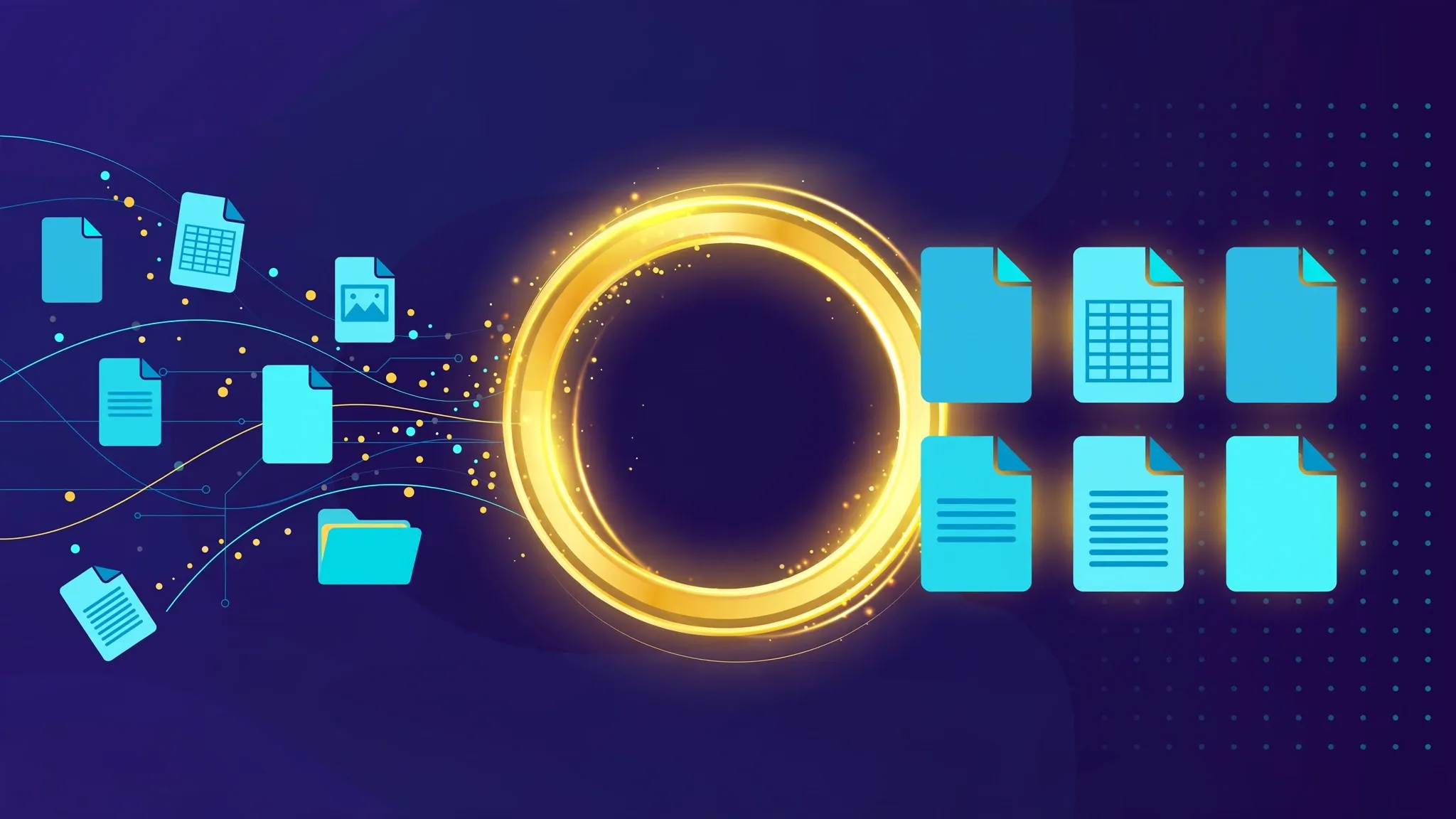
The primary solution to file ecosystem limitations is cross-platform interoperability through systematic file conversion. By converting specialized local drafts into universally recognized distribution standards—such as transforming rich text or spreadsheet extensions into clean, unalterable layouts—you guarantee an identical viewing experience for every recipient, regardless of their device or software brand.
This strategic transformation provides several immediate operational advantages across various professional fields:
1. Seamless Integration with Enterprise Portals
Modern employment, academic, and government application databases strictly enforce specific file extension rules for security and processing automation. Converting your files to the exact required standard ensures your paperwork passes through automated tracking systems smoothly without immediate rejection.
2. Long-Term Digital Archiving and Preservation
Technology moves fast, and old software versions eventually lose corporate technical support. Converting your critical business archives and legacy records into open-standard digital wrappers preserves your data accessibility for decades, protecting your history from technological obsolescence.
3. Optimization of System Storage Budgets
Many raw capture files pack immense amounts of uncompressed backend data strings. Converting these files into optimized, internet-friendly formats compresses your local and cloud storage requirements by up to 70%, keeping your corporate drives organized and highly cost-efficient.

The Safest Path to Instant Document Transformation
Executing file transformations should not require purchasing heavy, expensive offline desktop software licenses for every computer in your office network. Modern web utility engineering allows users to complete high-fidelity conversions instantly inside a secure web browser. The most secure routine involves using automated, secure cloud processing systems like OraTools, executed through a quick four-step process:
Step 1: Identify Your Destination Constraints
Check the strict format guidelines of the platform or client you are sending the document to before initiating any edits.
Step 2: Upload to a Secure Sandbox
Navigate to your preferred online file transformation module. Drag and drop your source file into the protected cloud upload container.
Step 3: Select the Correct Digital Extension
Choose your targeted output format from the utility's conversion menu based on whether you need static preservation or responsive web presentation.
Step 4: Process and Deploy Safely
Run the conversion engine to rebuild the file's data layer. Download the newly optimized output directly to your device for immediate, risk-free sharing.